
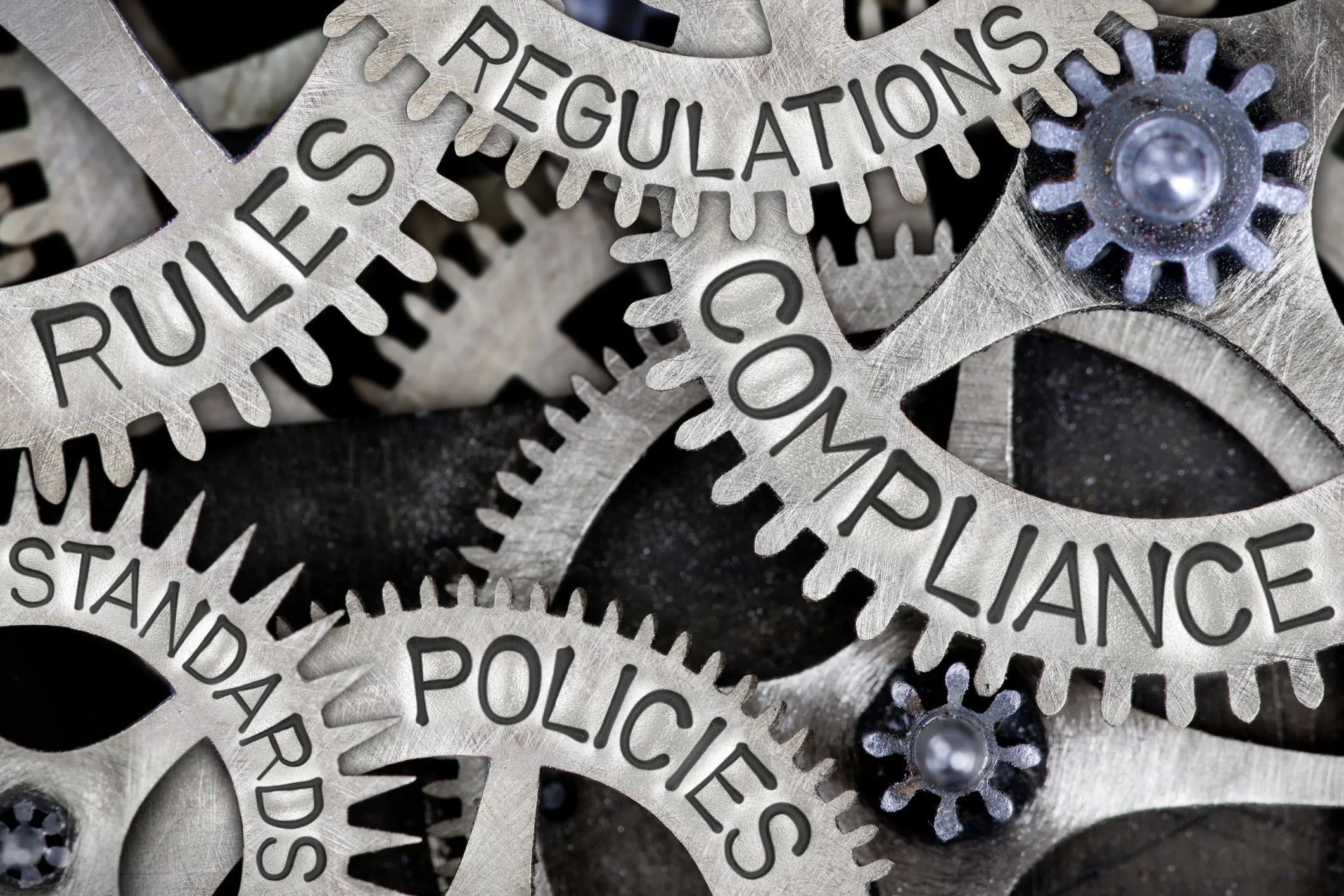
Policy Management Systems: A Guide to Effective Governance and Compliance
1. What is a Policy Management System?
A policy management system is a software solution designed to centralise, organise and streamline the creation, distribution, monitoring and updating of policies within an organisation. The system often includes features such as:
- Centralised document management: A shared location for all policy documents.
- Automated workflows: Streamlined processes for drafting, reviewing and approving policies.
- Collaboration tools: Features that enable teams to work together on policy development and updates.
- Tracking and reporting: Tools to monitor the policy lifecycle and ensure compliance, visibility and accountability.
- Audit trails: Clear records of who has accessed, reviewed or changed policies.
By providing a centralised digital platform, policy management systems ensure consistency and accessibility, helping employees stay informed and follow guidelines.
2. Key Components of a Policy Management System
To understand the impact of a policy management system, let us break down its core components:
- Document creation and version control
Policies are frequently updated to reflect changes in regulations or internal standards. Version control ensures that only the latest version is accessible and maintains an archive of previous versions for reference. - Role-based access
A robust policy management system includes access controls, ensuring that only authorised people can edit or approve documents. It also makes it easy for specific teams to access relevant policies. - Automated reminders and notifications
Compliance is a continuous process. Notifications and reminders help everyone involved stay up to date and take necessary action, such as reviewing or acknowledging updated policies.
3. Why Does Your Organisation Need a Policy Management System?
Now that we have covered the basics, let us explore why a policy management system is invaluable for organisations:
- Reduce risks and ensure compliance
Non-compliance can lead to substantial fines, reputational damage and legal consequences. A policy management system reduces these risks by keeping all policies up to date and ensuring employees are aware of and understand their obligations. - Increase efficiency
A policy management system removes the need for manual tracking, minimises redundant effort and streamlines the entire policy process, from creation to retirement. This increases efficiency and saves both time and resources. - Improve accessibility and employee engagement
Accessible, easy-to-navigate policies increase employee engagement and adherence. A policy management system lets employees quickly find relevant policies, promoting transparency and accountability. - Support accountability and clear communication
A well-implemented policy management system improves communication within the organisation. Automated notifications, transparent workflows and clearly defined approval processes ensure everyone understands their responsibilities and deadlines. - Support audit readiness and compliance
A policy management system provides easy access to a history of policy updates, reviews and acknowledgements. This audit trail is invaluable during audits or legal reviews and demonstrates the organisation’s commitment to governance and compliance.
4. What Should You Look for in a Policy Management System?
When choosing a policy management system, consider the following features:
- User-friendly interface
A system with a simple, intuitive interface makes it easy for all employees to use. - Customisable workflows
Find a system with configurable workflows that suit your organisation’s specific review and approval processes. - Role-specific dashboards and reports
Dashboards showing policy status, overdue reviews or employee acknowledgements make compliance easier to monitor. - Integration capabilities
If your organisation uses other systems for document management, HR or compliance, choose a policy management system that integrates smoothly with them.
5. Steps to Implementing a Policy Management System
Successfully implementing a policy management system requires a structured approach. Here are some practical steps:
- Assess your current policy management practices
Review existing practices to identify weaknesses, gaps and redundancy. This analysis will help you choose the right system and set clear implementation goals. - Define roles and responsibilities
Establish clear roles and responsibilities for drafting, reviewing and approving policies. Assign system administrators to ensure workflows are followed correctly. - Customise workflows and permissions
Configure the system’s workflows and permissions around the organisation’s needs. Adapt these workflows to different departments or policy types. - Train employees
Provide training sessions to ensure everyone understands how to use the policy management system. Offer refresher training when new features are introduced. - Monitor and adjust
Continuously monitor the system’s performance. Track employee engagement, policy acknowledgements and compliance metrics. Adjust workflows as needed to improve efficiency and effectiveness.
At North House, our team includes experienced compliance experts and a highly skilled technical team with a passion for compliance. We are happy to advise on best practices for configuring and managing your policy management system so that it meets both regulatory requirements and your organisation’s specific needs. We love working with our customers to find the best path forward together — we see ourselves as a collaborative partner, not just a supplier.
Conclusion
A policy management system is an investment in organisational resilience, compliance and efficiency. It centralises policy information, streamlines policy-related workflows and ensures consistent compliance with industry standards. At a time when regulations are constantly changing, it enables organisations to be proactive, accountable and aligned with best practices.
By implementing a policy management system, organisations improve their compliance capability and also build a culture of transparency and accountability that supports long-term success. Whether your organisation is large or small, a dedicated policy management system is a forward-looking choice that can offer major benefits for governance and compliance.
If you are interested in what North House can do for you, click here and book a demo today!



Get a demo
See how North House can enhance your organization's governance. Schedule a demo today!
Customer Support
North House provides governance solutions that adapt to your organization's evolving needs.